
After the Storm: Your First Steps Matter
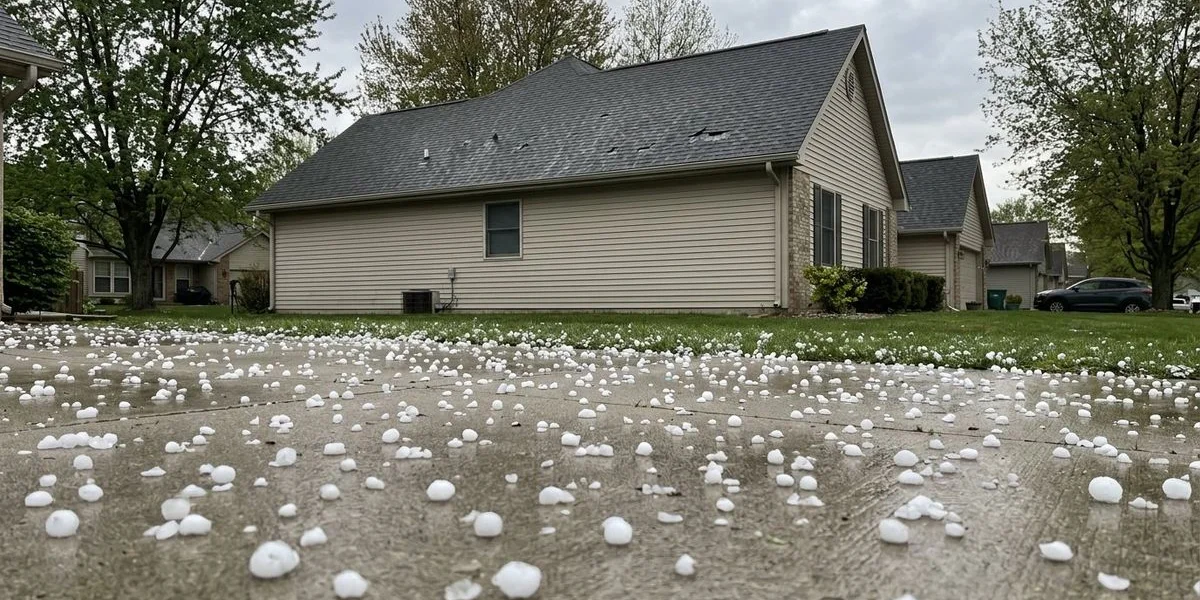
Hailstorms in the Treasure Valley are not rare. From late spring through early fall, severe thunderstorms roll across the Boise metro area, and Meridian, Eagle, Nampa, and Caldwell regularly see hail ranging from pea-sized to golf-ball-sized. When a significant hailstorm hits your neighborhood, what you do in the hours and days that follow can make a real difference in how smoothly your recovery goes.
This guide walks you through exactly what to do after a hailstorm, from the moment the skies clear to getting your roof repaired or replaced.
Step 1: Wait for Safety, Then Assess
Do not go outside or attempt to inspect anything while the storm is still active. Lightning, continued hail, and high winds make it dangerous. Once the storm has fully passed and conditions are safe, begin a careful walkthrough of your property.
Ground-Level Assessment
Start with what you can see from the ground:
- Siding and exterior walls: Look for dents, cracks, or chipped paint
- Windows and screens: Check for cracked glass or torn screens
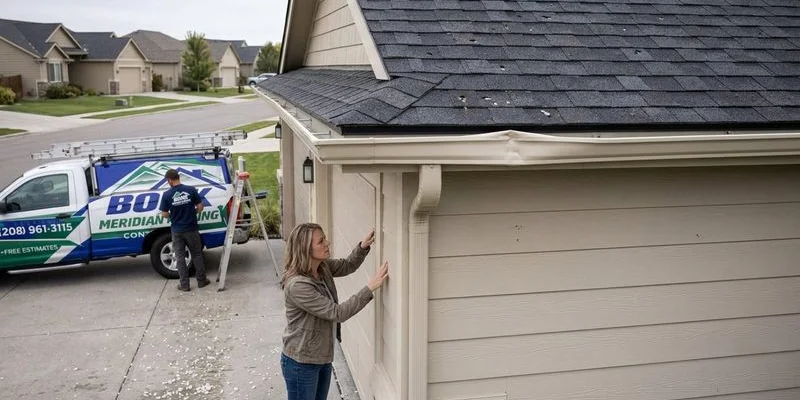
- Gutters and downspouts: Look for dents or damage to the gutter system
- AC unit and outdoor equipment: Inspect for dents on the condenser fins
- Vehicles: Note any hail damage to cars that were parked outside
- Deck, patio, and fencing: Check for dents and impact marks
All of these items can be part of your insurance claim, so document everything even if it seems minor.
Roof Assessment from the Ground
Using binoculars if you have them, look at your roof from the ground for obvious signs of damage:
- Missing or displaced shingles
- Visible dents on metal flashing or vents
- Debris on the roof surface
- Damage to skylights
Do not climb onto your roof. Wet roofing material is extremely slippery, and hail-damaged shingles may be structurally compromised. Leave the on-roof inspection to a professional.
Step 2: Document Everything
Documentation is the foundation of a successful insurance claim. The more thorough your records, the smoother the process will be.
What to Document
- Take photos and videos of all visible damage from multiple angles
- Photograph the hail itself if any remains on the ground (place a coin or ruler next to it for scale)
- Save weather reports from your local news station or weather service confirming the storm
- Note the date and approximate time the storm hit
- Keep a list of all damaged items including exterior features, vehicles, and landscaping
Store these photos and notes somewhere accessible. Your phone’s photo library works fine, but also email them to yourself as a backup.
Step 3: File Your Insurance Claim Promptly
Most Idaho homeowner insurance policies cover hail damage. Contact your insurance company as soon as possible after the storm. Many carriers have a time limit for filing storm damage claims, so do not wait weeks to make the call.
When you call your insurance company:
- Report the date and nature of the storm
- Describe the damage you have observed
- Ask about your deductible and what the claim process involves
- Request a claim number and the name of your assigned adjuster
- Ask about the timeline for the adjuster’s inspection
Your insurance company will assign an adjuster to inspect the damage. This inspection typically happens within one to two weeks of filing the claim, though after major storms it can take longer due to high claim volume across the Treasure Valley.
Step 4: Get a Professional Roof Inspection
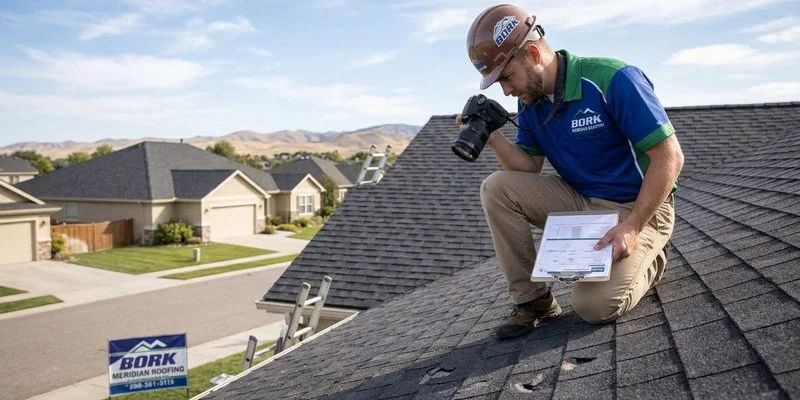
Before the adjuster arrives, schedule an inspection with a reputable local roofing contractor. A professional inspector can identify damage that is not visible from the ground, including:
- Shingle bruising: Soft spots where hail has cracked the shingle mat beneath the surface
- Granule displacement: Areas where protective granules have been knocked away
- Cracked or fractured shingles: Damage that may not be visible without close inspection
- Compromised flashing: Dents or displacement around chimneys, vents, and other penetrations
- Damaged underlayment: Moisture penetration beneath the shingle layer
Having a documented inspection report from a contractor strengthens your insurance claim significantly. It also ensures the adjuster does not overlook legitimate damage during their inspection.
At Bork Roofing, we provide free storm damage inspections for Treasure Valley homeowners. Our inspection reports include photos, measurements, and a detailed assessment of the damage.
Step 5: Meet With the Insurance Adjuster
When the adjuster arrives, it is helpful to have your roofing contractor present. Your contractor can point out damage that might otherwise be missed and ensure the scope of work in the adjuster’s report accurately reflects what needs to be repaired or replaced.
During the adjuster’s visit:
- Walk the property together and point out all damage you have documented
- Share your contractor’s inspection report and photos
- Ask questions if the adjuster’s assessment differs from your contractor’s findings
- Get the adjuster’s report in writing before they leave
If you disagree with the adjuster’s assessment, you have the right to request a re-inspection or file a supplement through your contractor. This is common and should not be adversarial. Adjusters see many roofs, and sometimes legitimate damage is overlooked during the initial visit.
Step 6: Make Temporary Repairs If Needed
If the storm caused active leaks or exposed your roof deck, make temporary repairs to prevent further water damage. This might include:
- Tarping exposed areas of the roof
- Placing buckets under active leaks
- Moving furniture and belongings away from leak areas
Keep receipts for any temporary repair materials or emergency services. These costs are typically reimbursable through your insurance claim.
Step 7: Choose Your Contractor and Schedule Repairs
Once your claim is approved, choose a licensed, insured roofing contractor to complete the repairs or replacement. Here are the key things to look for:
- Local presence: A contractor based in the Treasure Valley who will be here long after the storm chasers have moved on
- Proper licensing: Idaho requires roofing contractors to be registered with the Idaho Contractors Board
- Insurance: Both general liability and workers’ compensation coverage
- Written warranty: On both materials and workmanship
- References: From other Meridian or Treasure Valley homeowners
Be cautious of storm chasers, which are contractors from out of state who follow hailstorms looking for work. They may offer low prices or pressure you to sign quickly, but they often disappear after the job is done, leaving you without warranty support if problems arise.
Be Prepared Before the Next Storm
The Treasure Valley’s storm season is predictable enough that you can prepare ahead of time. Keep your insurance policy accessible, maintain a relationship with a trusted local roofer, and know the basics of what to do when severe weather hits.
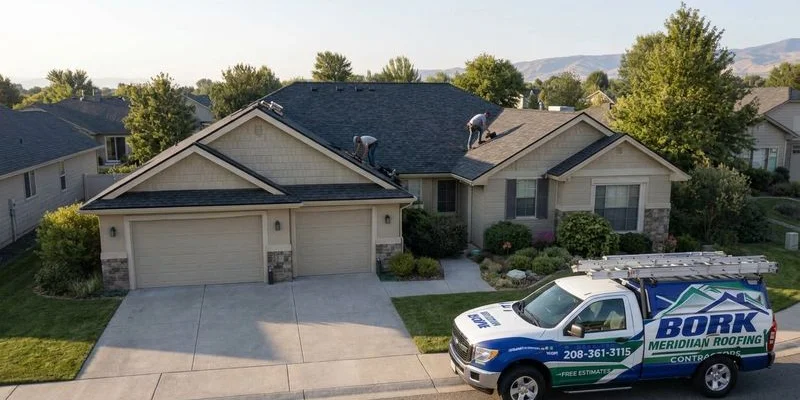
If your home was recently hit by hail and you are not sure whether you have damage, contact our team for a free inspection. We will give you an honest assessment and help you navigate the next steps, whether that means a simple repair or a full insurance-covered roof replacement.